8 Habits That'll Help Your Car Cross 3 Lakh KMs Without Trouble

Here's something cool: modern cars can easily run for more than 350,000 kilometers if you take care of them properly. But most people sell their cars way before they hit 100,000 kilometers. Why? Some folks get bored and want something new and shiny. Others want a fancier car with more features or maybe want to switch to electric. But many people sell because their car keeps breaking down and needs constant fixing. If you're in that last group, this guide is for you.
Want your car to run smoothly for ten years or more? Here are eight simple habits that'll help your car age like fine wine instead of spoiled milk.

Before you even buy a car, do your homework. Choose a brand that's famous for making cars that just keep going and going. Think about brands like Toyota, Honda, or Maruti Suzuki. These cars often cruise past 300,000 kilometers without breaking a sweat, as long as you keep up with basic maintenance. Now, some local brands make really cool cars with tons of features and better prices, but they might give you more headaches along the way. So you've got to choose what matters more to you: a peaceful, boring ride or an exciting one with occasional problems.
Also, check if you can easily find parts for your car and if there are good service centers nearby. Your car's long life starts the day you buy it, not the day you take it for its first service.

Every car is built like a carefully balanced machine. Everything works together just right. When you add big fancy wheels, wider tires, or mess with the engine's computer, you're throwing off that balance. Sure, those modifications might look awesome or make your car sound like a race car, but they put extra stress on the suspension, brakes, and engine. If you really want more power, just buy a better model to begin with. Plus, here's the kicker: the moment you start changing things, your warranty goes poof and disappears.
Driving just one or two kilometers to the corner store? You're actually hurting your car more than you think. Car engines need time to warm up to the right temperature before they work their best. When you only drive short distances, the engine never gets hot enough, which means the fuel doesn't burn completely. This leaves gunky buildup inside the engine that causes wear and tear over time. Do yourself and your car a favor and walk those short distances. Your heart will get some exercise, and your car will last longer.
Here are some other warm-up tips: let your car run for about a minute before you start driving. Don't push the gas pedal hard until the temperature gauge shows it's warmed up halfway. And if you have a turbocharged engine, let it sit running for a minute before you turn it off.
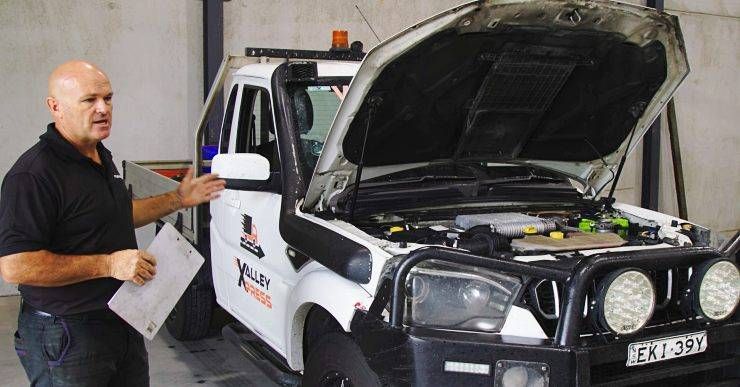
Service schedules aren't just suggestions, they're there for a really good reason. Getting regular oil changes, replacing filters, and swapping out timing belts keeps your car running like it's still young. Here's a simple truth: spending a little money on regular checkups is ten times cheaper than paying for big repairs later. Look in your car's manual and follow the schedule for everything. Get your wheels aligned and balanced every 10,000 kilometers. The timing belt usually needs replacing around 100,000 kilometers. Transmission oil should be changed around every 50,000 kilometers, though this varies by car. And don't skip the "minor services" thinking they're not important. Those small checkups catch little problems before they turn into big, expensive nightmares.
Most new cars come with a warranty that lasts two or three years. Paying extra to extend it to five or six years is one of the smartest decisions you can make. Extended warranties cover expensive repairs like fuel injectors, suspension parts, and sensors. Just remember one thing: if you modify your car, you lose your warranty. So if you want that protection and peace of mind, keep your car the way it came from the factory.
Be gentle with your car. Stomping on the gas pedal, slamming on the brakes, and riding the clutch all make your car age faster than the kilometers you drive. Little things make a big difference: slow down smoothly when you see a red light instead of braking hard at the last second. Close your doors gently instead of slamming them, which prevents rattles. Replace your windshield wipers before they start scratching the glass. And please, slow down before you hit potholes because your suspension really hates those. Driving smoothly doesn't just make your car last longer, it also helps you get 10 to 15 percent better gas mileage.

Most car owners forget about three important things. First, fuel and air filters get clogged over time, which makes your engine work way harder than it should. Change them according to the schedule in your manual. Second, coolant needs replacing every two or three years to stop your engine from overheating. Third, check your tire pressure every month and get your alignment checked every 10,000 kilometers. This prevents your tyres from wearing out unevenly and saves your suspension from damage. One more thing: only fill up gas at pumps you trust. Bad fuel slowly destroys injectors and valves without you even noticing until it's too late.
Sunlight, salt, and dust don't just make your paint look dull, they actually attack the rubber seals, gaskets, and wiring in your car. Whenever you can, park in the shade or throw a car cover over it. Wash and wax your car regularly to keep the paint protected. If you're not driving your car for a few weeks, start it up once a week and move it around a little bit. This prevents your tires from getting flat spots where they sit on the ground.
With proper care and attention, the same car that most people would sell at 80,000 kilometers can serve you faithfully way past 300,000 kilometers without needing any major rebuilds. Treat your car right, and it'll treat you right back for many years to come.